


Craig Rainey
Actor, novelist, screenwriter, and the long road of creative work.
Craig Rainey’s career does not fit neatly into one box. Film, novels, screenwriting, and the instinct to tell stories across forms have shaped a body of work rooted in persistence, reinvention, and craft.
Actor and performer
Novelist and storyteller
Screenwriter and creator
This is not a résumé page. It is the personal lane of Craig Rainey Journal—the place where the work, the perspective, and the life behind the platform come into focus.
Introduction
Craig Rainey has built a creative life the hard way: through persistence, adaptability, and a willingness to work across disciplines rather than wait for permission to belong to one. Actor, novelist, screenwriter, and musician, he has spent years building a body of work that reflects both artistic ambition and lived experience.
Early life and the pull of story
The roots of that path reach back to Texas. Story, performance, and observation were present early, and those instincts eventually pushed Rainey toward film and writing alike. He was drawn not only to cinema’s spectacle, but to the force of narrative itself—the way a story can shape identity, hold conflict, and expose truth.
Like many artists who come to the work from outside the polished center of the industry, he had to build his path through persistence rather than convenience. That reality became part of the foundation. It shaped the discipline, the tone, and the refusal to romanticize the process.
The work was never just about getting seen. It was about making something real enough to last.
The actor’s road
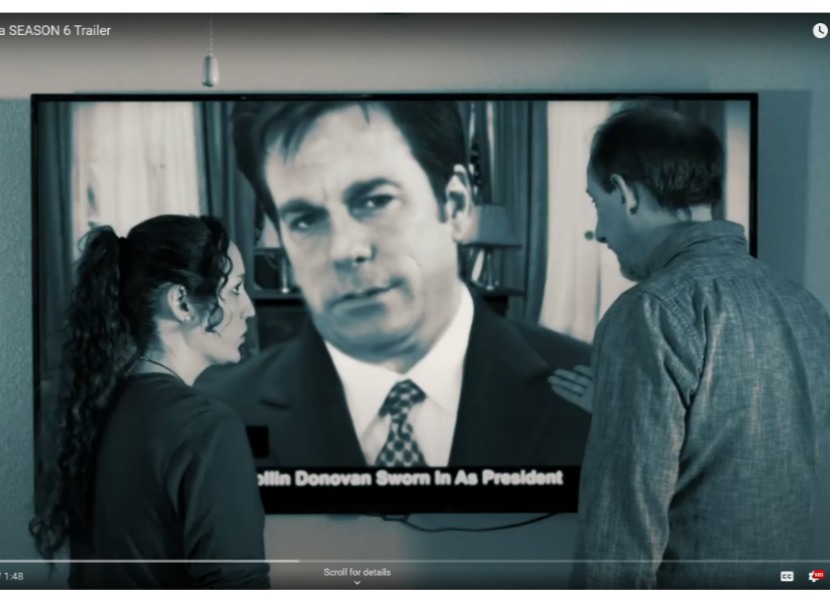
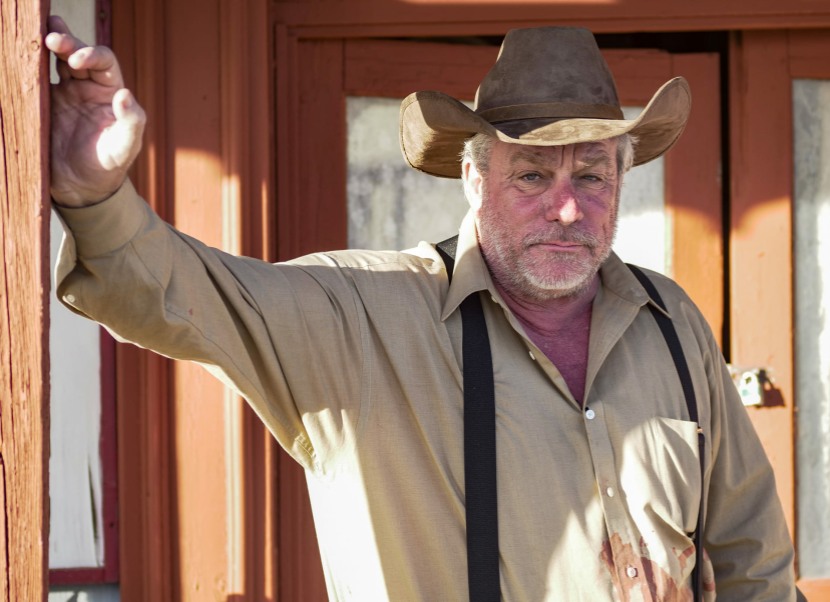
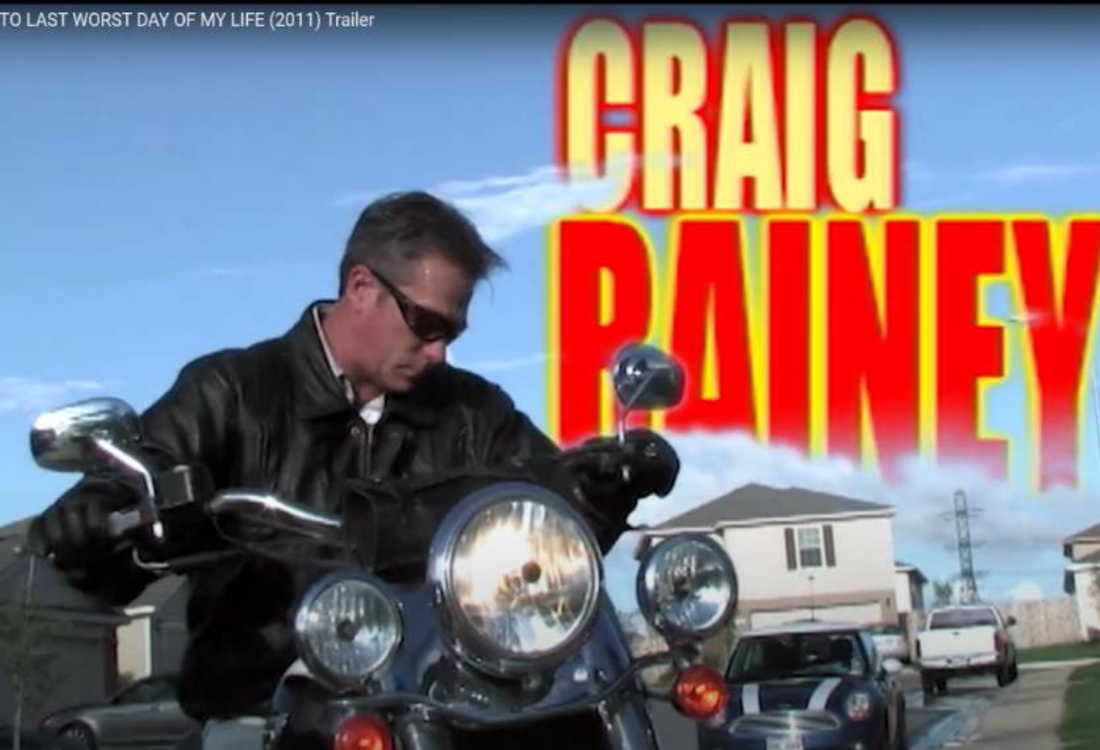
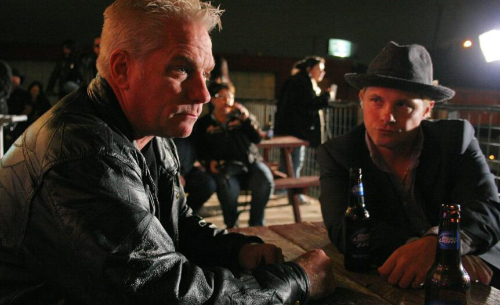
In film, Craig Rainey developed a reputation for intensity, grounded presence, and a willingness to inhabit difficult characters. He often found himself cast in roles that drew on physicality, pressure, and moral edge—the heavy, the cop, the threat, the man with more going on beneath the surface than the audience sees at first glance. That capacity for menace and restraint gave his performances weight.
But acting did more than produce credits. It sharpened instinct. It taught him what dialogue must do under pressure, what truth looks like in performance, and how quickly false notes are exposed once a character has to live inside a scene rather than merely be described on the page.
From performance to screenwriting
That actor’s understanding naturally fed the writing. Screenwriting became not a side pursuit, but another lane for the same core impulse: to tell stories with force, complexity, and emotional truth. Rather than waiting to be handed the perfect project, Rainey began creating stories he believed in.
His screenplay work earned recognition, including awards attention for Massacre at Agua Caliente. That success marked a turning point. He was no longer simply moving between acting jobs. He was building authored work with its own identity and voice.
The novelist’s discipline
Fiction gave him something else: room. Novels allowed Rainey to dig deeper into character psychology, historical atmosphere, and the long arc of consequence. In prose, he could stretch into the interior life of a story without the time constraints of a film script.
His novels reflect the same instincts visible in the acting and screenwriting: flawed people, pressure, violence, conviction, and moral complexity. Westerns, thrillers, and psychologically driven narratives all became part of a larger creative identity, not isolated experiments.
Music and the wider creative life
Music, too, has been part of that identity. Not as an ornamental side note, but as another expression of rhythm, mood, and emotional truth. The same sensitivity that shapes scene work and prose also appears in the musical instinct: how tone affects meaning, how timing changes impact, and how atmosphere can say what direct language cannot.
A life built across lanes
What makes Craig Rainey distinctive is not simply that he has worked in multiple fields. It is that the fields speak to each other. The actor informs the writer. The novelist informs the screenwriter. The screenwriter sharpens the performer. Each discipline makes the others stronger.
That is why this platform exists the way it does. It is not a collection of disconnected projects. It is one body of work expressed through multiple forms.
Conclusion
Craig Rainey’s story is not one of easy branding or neat categories. It is the story of a working creative who kept building, kept learning, and kept producing across the long haul. The result is a body of work with depth, continuity, and a clear point of view.
That point of view now sits at the center of the Journal, the novels, the media presence, and the larger CraigRainey.com platform. Not because the work has ended, but because it has reached a stage where the separate lanes finally read as one.
Built for pressure, character, and story
The actor’s path, the writer’s discipline, and the instinct to keep creating across forms all meet here.
- Acting
- Writing
- Screen work